Ancient History and Folklore of the Urdu People
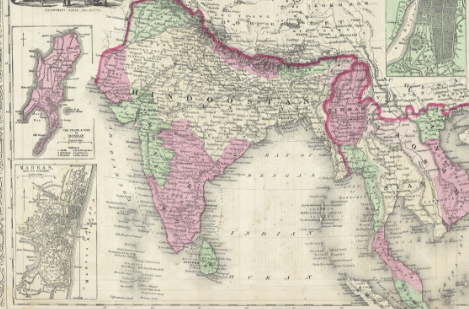
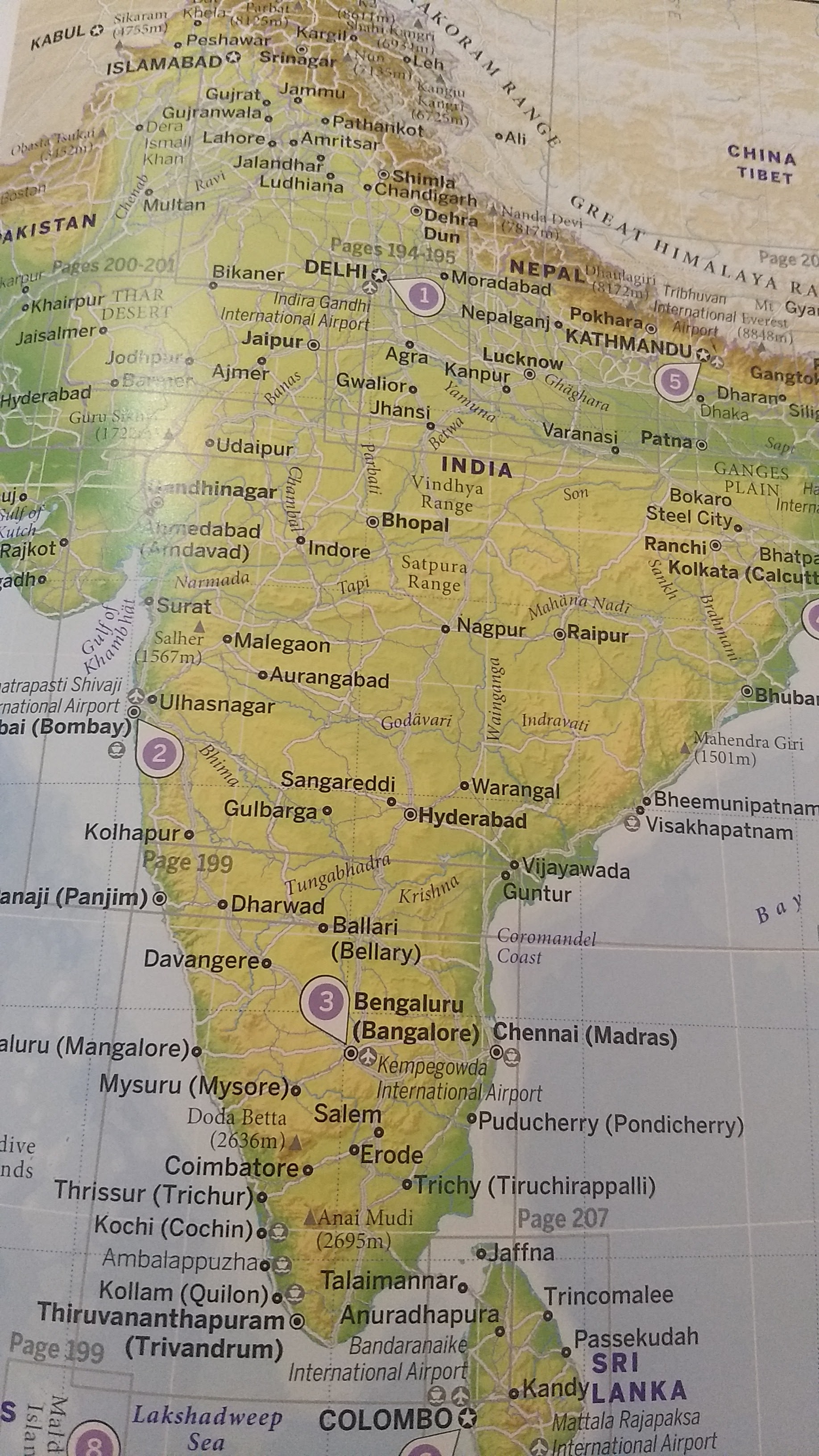
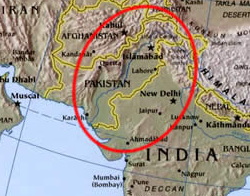
What is the origins of Urdu. The origins of Urdu maybe 600 years ago starting with Mughal rule of Bharat. Bharat is old India but bigger. The word Urdu comes from the Turki word Urdu, which means “military camp”. The Urdu language was a product of the conversations used by the Muslims who ruled over Deccan and South India during this time.
Days of the Week – Months of the Year – Season – Numbers
World Elements Land Water
Minerals Metals
Animals Birds Fish Reptiles Insects
Fruits Trees Flowers Vegetables Colors
Times and Seasons
Town Country Agriculture
People Relations
Human Body
Physical Mental Power and Qualities
Health
Food and Drink and Cooking Utensils
Home Stuff
Travelling
Recreation and Amusement
Religion Trades Correspondence
Descriptors
Actions
| I | میں (ma͠i) | |
| you | تو (tū) | تم (tum) |
| he, she, it | یہ (yeh) | |
| we | ہم (ham) | |
| you | تم (tum) | |
| they | یہ (yeh) | |
| this | ہو (yeh) | |
| that | وہ (voh) | |
| here | یہاں (yahā̃) | |
| there | وہاں (vahā̃) | |
| who | کون (kaun) | |
| what | کیا (kyā) | |
| where | کہاں (kahā̃) | |
| when | کب (kab) | |
| how | کیسا (kaisā) | |
| not | نہیں (nahī̃), نا (nā) | |
| all | سب (sab), سبھی (sabhī) (emphatic), سارے (sāre) | |
| many | بہت (bahut) | |
| some | کچھ (kuch) | |
| few | تھوڑا (thoṛā) | |
| other | دوسرا (dūsrā) | |
| one | یک (ek) | |
| two | دو (do) | |
| three | تین (tīn) | |
| four | چار (cār) | |
| five | پاںچ (pānc) | |
| big | بڑا (baṛā) | |
| long | لمبا (lambā) | |
| wide | چوڑا (cauṛā) | |
| thick | گاڑھا (gāṛhā) | |
| heavy | بھاری (bhārī) | |
| small | چھوٹا (choṭā) | |
| short | چھوٹا (choṭā) | |
| narrow | تنگ (tang) | |
| thin | پتلا (patlā) | |
| woman | عورت (‘aurat) | |
| man (adult male) | آدمی (ādmī) | |
| man (human being) | انسان (insān), آدمی (ādmī) | |
| child | بچه (baccā) | |
| wife | بیوی (bīvī) | |
| husband | شوہر (śauhar) | |
| mother | ماں (mā̃), امی (ammī) | |
| father | ابّو (abbū), ابّا (abbā), باپ (bāp) | |
| animal | جانور (jānvar) | |
| fish | مچھلی (machlī) | |
| bird | چڑیا (ciṛiyā) | |
| dog | کتا (kuttā) | |
| louse | جوں (jū̃) | |
| snake | سانپ (sānp) | |
| worm | کیڑا (kīṛā) | |
| tree | درخت (darxat) | |
| forest | جنگل (jangal) | |
| stick | ڈنڈا (ḍanḍā) | |
| fruit | پھل (phal) | |
| seed | بیج (bīj) | |
| leaf | پتا (pattā) | |
| root | جڑ (jaṛ) | |
| bark (of a tree) | چھال (chāl) | |
| flower | پھول (phūl) | |
| grass | گھاس (ghās) | |
| rope | رسی (rassī) | |
| skin | جلد (jild) | |
| meat | گوشت (gośt) | |
| blood | خون (xūn) | |
| bone | ہڈی (haḍḍī) | |
| fat (noun) | چربی (carbī) | |
| egg | انڈہ (anḍā) | |
| horn | سینگ (sīng) | |
| tail | پونچهـ (pūnch), دم (dum) | |
| feather | پر (par) | |
| hair | بال (bāl) | |
| head | سر (sar) | |
| ear | کان (kān) | |
| eye | آںکھ (ā̃kh) | |
| nose | ناک (nāk) | |
| mouth | منہ (munh) | |
| tooth | دانت (dānt) | |
| tongue (organ) | زبان (zabān), جیبھ (jībh) | |
| fingernail | ناخن (nāxun) | |
| foot | پیر (pair), پاؤں | |
| leg | ٹانگ (ṭāng) | |
| knee | گھٹنا (ghuṭnā) | |
| hand | ہاتھ (hāth) | |
| wing | بازو (bāzū), پنکھ (pankh) | |
| belly | پیٹ (peṭ) | |
| guts | اندرون (andarūn) | |
| neck | گردن (gardan) | |
| back | پیٹھ (pīṭh) | |
| breast | سینه (sīnā) | |
| heart | دل (dil) | |
| liver | جگر (jigar) | |
| to drink | پینا (pīnā) | |
| to eat | کھانا (khānā) | |
| to bite | کاٹنا (kāṭnā) | |
| to suck | چوسنا (cūsnā) | |
| to spit | تھوکنا (thūknā) | |
| to vomit | الٹی کرنا (ulṭī karnā), الٹی مارنا (ulṭī mārnā), قی کرنا (qai karnā) | |
| to blow | پهونکنا (phū̃knā) | |
| to breathe | سانس لینا (sā̃ns lenā) | |
| to laugh | ہنسنا (hãsnā) | |
| to see | دکھنا (dikhnā) (intransitive), دیکھنا (dekhnā) (transitive) | |
| to hear | سننا (sunnā) | |
| to know | جاننا (jānnā) | |
| to think | سوچنا (socnā) | |
| to smell | سونگھنا (sū̃ghnā) | |
| to fear | ڈرنا (ḍarnā) | |
| to sleep | سونا (sonā) | |
| to live | جینا (jīnā) | |
| to die | مرنا (marnā) | |
| to kill | مارنا (mārnā) | |
| to fight | لڑنا (laṛnā) | |
| to hunt | شکار کرنا (śikār karnā) | |
| to hit | مارنا (mārnā) | |
| to cut | کاٹنا (kāṭnā) | |
| to split | بانٹنا (bā̃ṭnā) (transitive) | |
| to stab | بهونکنا (bhoṅknā) | |
| to scratch | کهرچنا (khuracnā) | |
| to dig | کھودنا (khodnā) | |
| to swim | تیرنا (tairnā) | |
| to fly | اڑنا (uṛnā) | |
| to walk | چلنا (calnā) | |
| to come | آنا (ānā) | |
| to lie (as in a bed) | لیٹنا (leṭnā) | |
| to sit | بیٹھنا (baiṭhnā) | |
| to stand | کھڑا ہونا (khaṛā honā) | |
| to turn (intransitive) | مڑنا (muṛnā) | |
| to fall | گرنا (girnā) | |
| to give | دینا (denā) | |
| to hold | پکڑنا (pakaṛnā) | |
| to squeeze | دبانا (dabānā), نچوڑنا (nicoṛnā) (“squeeze in order to extract liquid”) | |
| to rub | ملنا (malnā) | |
| to wash | دھونا (dhonā) | |
| to wipe | پونچھنا (poñchnā) | |
| to pull | کھیںچنا (khīncnā) | |
| to push | دھکا دینا (dhakkā denā), دھکا مارنا (dhakkā mārnā) | |
| to throw | پهینکنا (pheṅknā) | |
| to tie | باندهنا (bā̃dhnā) | |
| to sew | سینا (sīnā) | |
| to count | گننا (ginnā) | |
| to say | کہنا (kahnā), بولنا (bolnā) (grammatically intransitive) | |
| to sing | گانا (gānā) | |
| to play | کهیلنا (khelnā) | |
| to float | تیرنا (tairnā) | |
| to flow | بہنا (bahnā) | |
| to freeze | جمنا (jamnā) | |
| to swell | سوجنا (sūjnā) | |
| sun | سوراج (sūraj) | |
| moon | چاند (cānd) | |
| star | ستارہ (sitārā) | |
| water | پانی (pānī) | |
| rain | بارش (bāriś) | |
| river | دری (nadī) | |
| lake | جھیل (jhīl) | |
| sea | سمندر (samundar) | |
| salt | نمک (namak) | |
| stone | پتھر (patthar) | |
| sand | ریت (ret) | |
| dust | دھول (dhūl) | |
| earth | زمین (zamīn) | |
| cloud | بادل (bādal) | |
| fog | دھند (dundh) | |
| sky | آسمان (āsmān) | |
| wind | ہوا (havā) | |
| snow | برف (barf) | |
| ice | برف (barf) | |
| smoke | دھواں (dhūā̃) | |
| fire | آگ (āg) | |
| ash | راکھ (rākh) | |
| to burn | جلنا (jalnā) | |
| road | سڑک (saṛak) | |
| mountain | پہاڑ (pahāṛ) | |
| red | سرخ (surx), لال (lāl) | |
| green | سبز (sabz) | |
| yellow | پیلا (pīlā) | |
| white | سفید (safed) | |
| black | سیاہ (siyāh) | |
| night | رات (rāt) | |
| day | دن (din) | |
| year | سال (sāl) | |
| warm | گرم (garm) | |
| cold | سرد (sard), ٹهنڈا (ṭhaṇḍā) | |
| full | پورا (pūrā) | |
| new | نیا (nayā) | |
| old | پرانا (purānā) | |
| good | اچھا (acchā) | |
| bad | برا (burā), خراب (xarāb) | |
| rotten | بوسيدہ (bosīdāh), سڑا (saṛā) | |
| dirty | گندا (gandā) | |
| straight | سیدھا (sīdhā) | |
| round | گول (gol) | |
| sharp (as a knife) | تيکها (tīkhā) | |
| dull (as a knife) | کند (kund) | |
| smooth | ہموار (hamvār), نرم (narm) | |
| wet | گیلا (gīlā) | |
| dry | خشک (xuśk) | |
| correct | ٹھیک (ṭhīk), سہی (sahī), درست (durust) | |
| near | پاس (pās), قریب (qarīb), نزدیک (nazdīk) | |
| far | دور (dūr) | |
| right | دایاں (dāyā̃), داہنا (dāhinā) | |
| left | بایاں (bāyā̃) | |
| at | پی (pe), پر (par), میں (mẽ) (primarily ‘in’) | |
| in | میں (mẽ), کے اندر (ke andar) (inside of) | |
| with | کے ساتھ (ke sāth) | |
| and | اور (aur) | |
| if | اگر (agar) | |
| because | کیونکہ (kyūṅki) | |
| name | نام (nām) |
 LANGUAGE MADNESS