Squeeeeeeeeeee…I’m a Whale…*whistle whistle*… I heard whales before when I stuck my head in the ocean in Hawaii. It was coolio. *More whale noises*
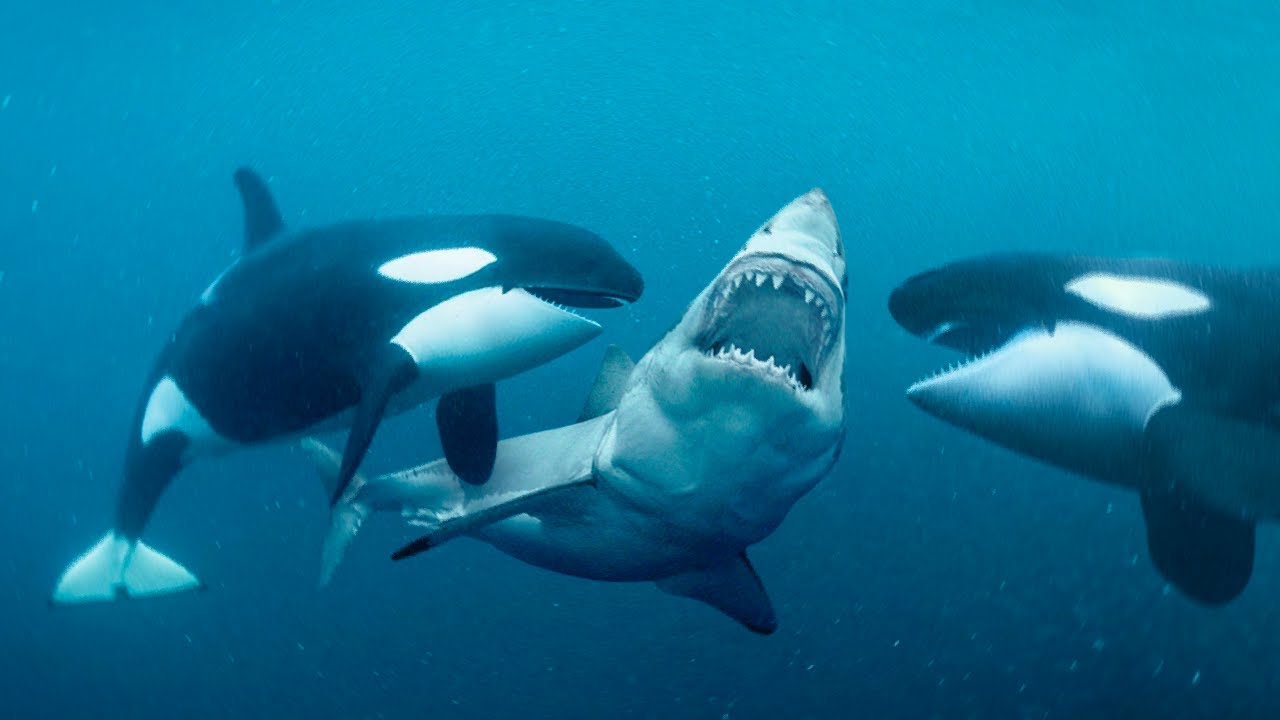
Now sit back and relax and pretend you are listening to whales singing.
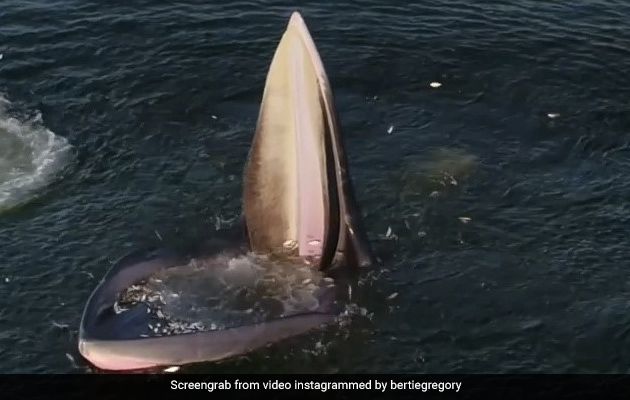)
Sperm whale’s in the Mediterranean make sounds that sound like this: Click-click-click—Click
Sperm whales in the Caribbean make sounds that sound like this: Click—click—click-click-click

Whales speak in clicks that are called codas.

Whales are the world’s largest mammals, so they could possibly have a lot to say or they could be quiet giants. They create the symphonies of the seas. How do whales communicate? Whales communicate underwater. In the water, it is difficult for whales to see and smell, so whales use sounds to communicate. Sound travels four times faster in water than in air, so whales use sounds. Whales use clicks, pulses, whistles, groans, boings, cries, and trills to communicate with other whales and other sea creatures. Whales communicate in songs. Whales can be divided into two categories: whales with baleen and whales with teeth.

Blue whales, fin whales, bowhead whales, minke whales, and humpback whales are baleen whales which use hairy baleen plates instead of teeth to trap their prey. Toothed whales such as sperm whales, orca whales and beluga whales use teeth to trap their prey. Sperm whales talk in clicks, which they make in rhythmic series called codas. Their conversations have been recorded to go on as long or even longer than human conversations. Humans generate sound by moving air when we exhale over our vocal cords causing them to vibrate. Baleen whales generate sound by the vibration of their vocal cords (U-shaped fold of tissue between their lungs and laryngeal sacs). Muscular contractions in a whale’s throat and chest move air from the lungs across the U-fold and into the laryngeal sacs, causing the U-fold to vibrate. Whale sounds are loud enough to be heard a thousand miles away. So next time you are in the ocean, put your head under water and listen, you might hear a symphony.

Whale song patterns are so interesting. They consist of moans, cries, and chirps that can be arranged in specific phrases to mean something. When the phrases are repeated over and over they turn into themes, and when the themes are repeated in a predictable pattern they create a whale song. The hierarchical structure of the whale’s song is a type of grammar. Whales sing their songs as long or as little as they want to. A humpback whale once sang for 22 hours on a recorded session. Scientists don’t know yet why the whales sing for so long or for what reason. Though most of the singers are males and they mostly sing during mating season so songs are probably used to attract female whales. Another reason that they sing most during this time could be for territorial reasons to scare the other male whales away. Each whale population has a different song. Over time songs evolve over time as phrases are added, changed, and dropped. But whale singing is becoming rarer due to human sound pollution in the water from boating, military sonar, underwater construction, and seismic surveys for oil. Maybe one day soon we’ll truly understand what they’re saying.

Humans are trying to break the code of whale conversations. Humans have started recording actions along with the conversations of the whales to see if they can understand more. Can you imagine having a conversation with a whale? Do whales even speak in sentences? Scientists are using specialized video and audio recording devices to capture millions of whale conversations and are analyzing them to understand these whale conversations. Scientists are tracking how whales behave when making or after hearing clicks. Scientists are using computers and using big terms like “machine language” and “artificial intelligence” to help them “translate” whale-talk and whale songs.
Sperm whales’ brains are six times larger than ours. Sperm whales live in a female-dominated society. Interestingly, Sperm whales have hundreds of clans like some human tribes. Each sperm whale clan identifies themselves using different click sounds. The whales also give each other names and identify one another by specific click patterns. Sperm whales learn their way of communicating similar to how humans learn language, by babbling clicks like infants until they finally say their first “sentence”.
 LANGUAGE MADNESS