Saluton! Esperanto is one of the youngest languages in the world, maybe even the youngest :)! I hope you find interesting information on this post, and like the audio that is embedded through out the post ;). Ĝuu legadon!
10 Words – By Viena:
- Amiko – Friend
- Averto – Warning
- Birdo – Bird
- Bona – Good
- Celi – To aim at
- Ĉie – Everywhere
- Ĉokolado – Chocolate
- Demando – question
- Printempo – Spring
- Ovo – Egg

Ezras 10 Words:
- Mom – panjo
- Dad – paĉjo
- Brother – frato
- Sister – fratino
- Cake – kuko
- Restroom – necesejo
- Kitty – katido
- Trees – arboj
- House – domo
- History – historio
10 Phrases – By Viena:
- Good morning! – Bonan Matenon!
- See you later! – Ĝis poste!
- Come with me! – Venu kun mi!
- Nice to meet you! – Mi ĝojas konatiĝi!
- Spain is a wonderful country – Hispanio estas tre bela lando
- Good luck! – Ĉion bonan!
- I Have No Idea. – Mi ne havas ideon
- I really like it! – Mi tre ŝatas ĝin!
- My hovercraft is full of eels – Mia kusenveturilo estas plena je angiloj
- One language is never enough – Unu lingvo neniam sufiĉas

Ezras 10 Phases
- How are you – kiel vi fartas
- What are you doing – kion vi faras
- Can i have some cake – ĉu mi povas havi iom da kuko
- We are going on a run – ni ekkuros
- What is for dinner – kio estas por vespermanĝo
- Thank you for dinner – dankon pro vespermanĝo
- What are we doing today – kion ni faras hodiaŭ
- See you later – ĝis revido
- What do you want to do – kion vi volas fari
- Today is history – hodiaŭ estas historio

Esperanto (history) Facts:
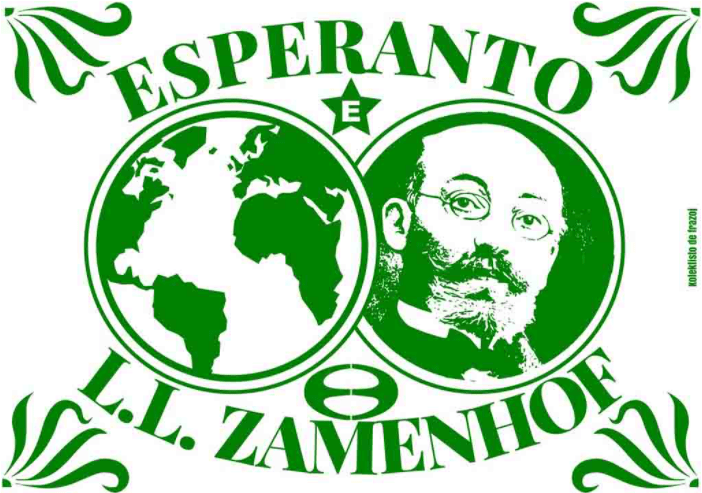
Esperanto was created in the 19th century, around the late 1870’s and early 1880’s, by a Jewish Polish ophthalmologist named Zamenhof. Zamenhof created the language so that anyone could learn it in a quick amount of time. The first book to be written in Esperanto was released in July of 1887. The name of the language comes from the name of Zamenhof’s book Doktor Esperanto, which translates to ‘he who hopes.’ Zamenhof hoped that his language would promote a peaceful co-existence of people who are different from one another. Esperanto was originally created to be used for international communication but it now has native speakers. Now Esperanto is spoken by 2 million speakers, and is the most widely spoken constructed language in the world. The Esperanto alphabet has 28 letters.
 LANGUAGE MADNESS