
Catalan Phrases Ezra
Com et dius? (What’s your name)
Encantat de conèixer-te! (Nice to meet you)
Com va? (How are you?)
Estic bé, gràcies! (I am fine, thanks!)
I tu/vostè? (And you?)
Parles anglès/català? (Do you speak English/Catalan?)
Una mica/miqueta (A little)
Quants anys tens? (How old are you?)
Ha sigut un plaer parlar amb tu. (It was a pleasure talking to you.)
Què vols dir? (What do you mean?)
No entenc! (I don’t understand)
No ho sé! (I don’t know)
Perdó (Sorry)
Com es diu en català? (How do you say it in Catalan?)
Com es diu això en anglès? (How do you say this in English?
Words Ezra
Hello – Hola
Mom – mare
Dad – pare
Brother – germà
Sister – germana
Thanks – gràcies
Tree – arbre
Cats – gats
Dogs – gossos
Battery – pila

Viena Words/Phrases
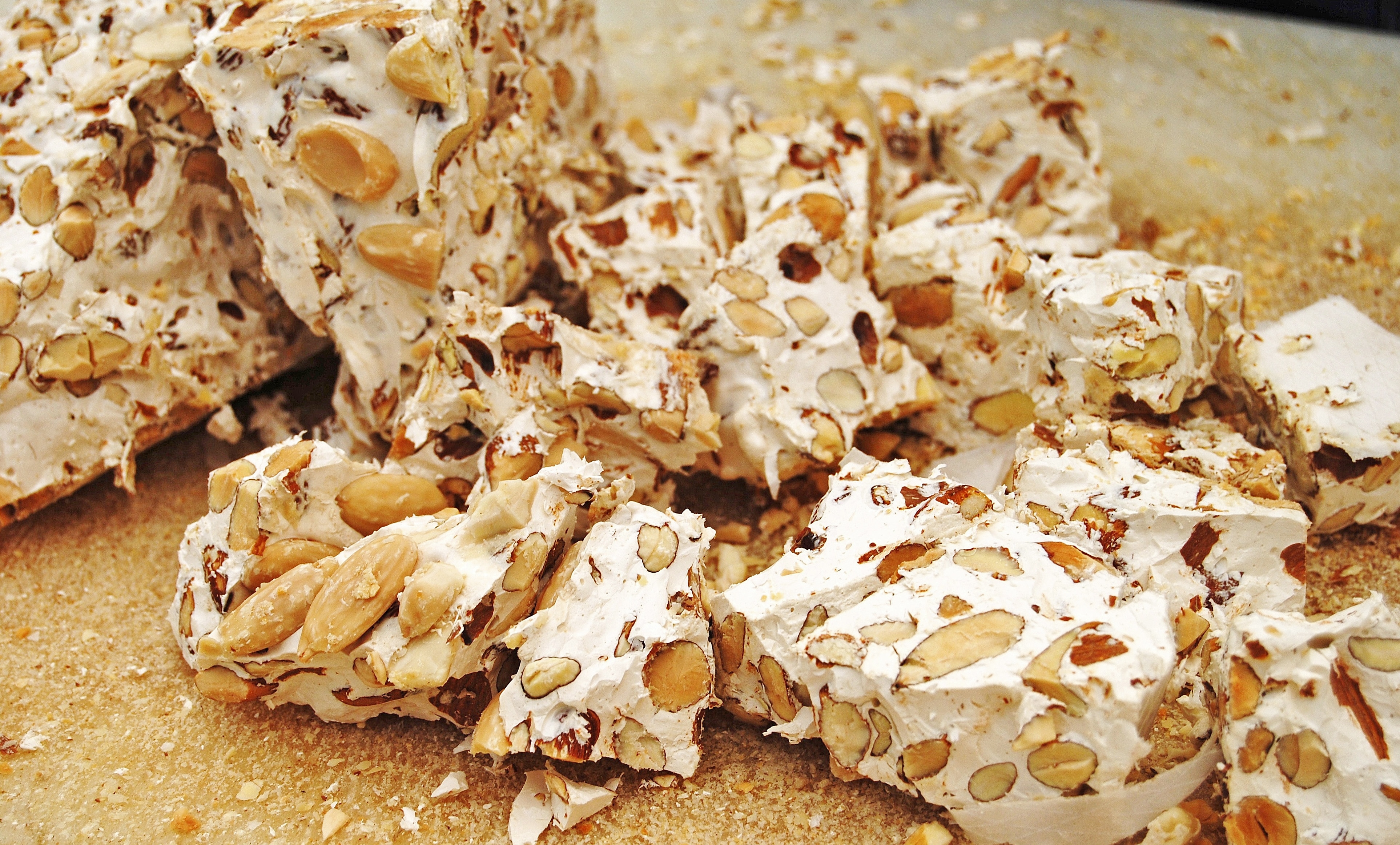
Catalan sweet- Turró. El turró is made of egg white, sugar, honey and toasted almonds.
Xiuxiuejar – to whisper
Aixopluc – shelter
Tendresa – tenderness
Llibertat – freedom
Moixaina – caress that is made by passing a hand over a face
Amanyagar – to treat with love or affectionate sympathy
Enraonar – to talk
Ginesta – plant: spartium junceum; “broom”
Atzavara – plant: agave

Building Castells of Catalonia are very dangerous. Castells are human castels. The human castles can grow very tall. Sometimes the Castells collapse and people fall. The base of a Castell can have over 500 people. The next level can have over 40 people until one reaches the top level which is one person who is usually a small child wearing a helmet. The person who climbs the castle and goes to the top is called an enxaneta and when the enxaneta arrives at the top after climbing over everyone else they kiss and raise their hand to the crowd. And the crowd goes wild. But the danger is not over. Now they have to climb down. The significance of a Castell is that it shows the union of many peoples efforts from all ages and all social backgrounds, all working towards a common goal. Llibertat?!?

History
“I’m Catalan, and I’m Catalan because among other reasons I speak Catalan. There are also Catalans who don’t speak Catalan regularly and they’re also Catalans. But this feeling of belonging, this feeling of knowing… that I pertain to an old culture, a culture that has given or has made universal contributions with its language, which is a living language that we have known how to preserve, that we have known how to advance, which we’ve had to fight hard for so it remains a living language today, but it is so today. And the merit is of the Catalans. If we hadn’t believed in it, the Catalan language today would be, like many other languages, dead. But a dead language doesn’t contribute much to universal culture. And the Catalan language today can raise itself up, more than ever, by making this very good and very positive contribution to universal culture.” – Artur Mas (Former President of Catalonia)
Catalunya/Catalonia is located in the north Mediterranean region of Spain. Catalonians want independence from Spain. Catalonia is bordered to the north by France and to the east by the Aragón region of Spain. Catalonians want independence from Spain. Catalonia has a population of around 7,500,000. In 2017, 2,044,038 Catalonians (92.01%) voted for independence and 177,547 Catalonians (7.99%) voted against. About 2,500,000 Catalonians did not vote. Catalonians want independence from Spain. Catalonia is made up of four provinces: Lleida, Girona, Barcelona and Tarragona. Catalonians want independence from Spain. Catalonian want to be their own republic.

Catalonia was first inhabited by Iberians. Who knows when the first Iberians arrived. But they arrived early enough to have the entire South Western European Landmass below the Pyreneans named after them: the Iberian Peninsula. The Pyrenees mountain range separates the Iberian Peninsula from the rest of Europe, stretching more than 250 miles across between Spain and France with mountains rising higher than 10,000 feet in elevation.

The Greeks arrived in the Iberian Peninsula with their boats 2500 years ago. The Romans arrived soon afterwards and fortified cities like Tarragona and Barcelona around ZERO AD. The Romans brought the Latin language which evolved into the Catalan Language.
After the Romans, the Franks (French) Kings tried to control the area.
The Catalonians did well at governing themselves. They established one of the oldest courts in the world in 1283 which created a balance of power between the King and the military and the nobility and the church.
In 1469 things changed for the worst for Catalonia with the marriage of Isabelle of Castille and Ferdinand of Aragon. This marriage united most of Spain. Ever since, Catalonia has been fighting for independence. On September 11, 1714, King Phillip of Austria put a big delay on the independence of Catalonia. On that day, the Catalan troops were defeated in Barcelona at the end of the War of Spanish Succession. Catalonians still want independence and commemorate the day they lost independence every year on September 11th.
Catalan Language is similar to Spanish and French. Catalan is one of Europe’s oldest languages. The first known book written in Catalan was the Gregues de Guitard Isarn, written in the 11th century. Now, more than 10 million native Catalan speakers live in Catalonia, Valencia, the Balearic Islands, Italy and France.
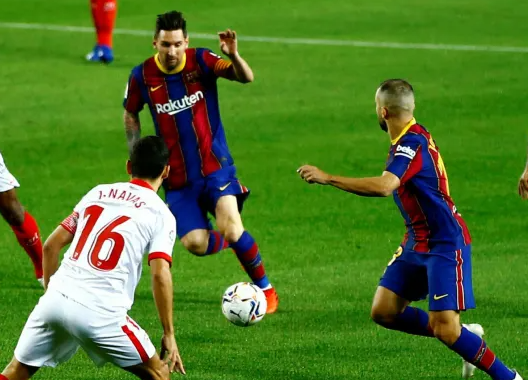
and finally … Catalonia is home to FCB Football Club Barcelona
 LANGUAGE MADNESS